
Now that the tri-nation 2026 FIFA World Cup is done and dusted, there is a lot to unpack and digest. Listed below are ten lessons learnt with direct relations to events during the matches.
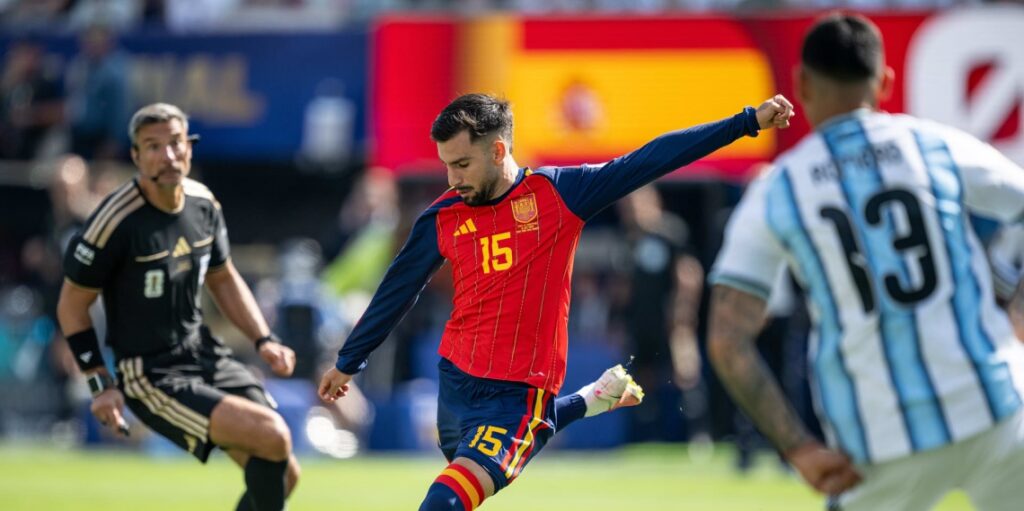
Suffocating Defensive Cohesion Wins Tournaments. Relying solely on generational talent is no longer enough to win the world’s biggest prize. Spain’s historically dominant run relied on a suffocating defensive block that conceded just one goal throughout the entire competition. Their highly disciplined setup completely neutralised defending champions Argentina in the final, preventing them from registering a single shot on target.
Underdogs Thrive Under Expanded Formats – The expansion to 48 teams proved that the gap between football’s elite and developing nations has narrowed significantly. Debutants and lower-ranked teams can hold their own against global giants when utilizing disciplined low-blocks and efficient high-pressing, as seen with Cape Verde’s historic group-stage draw against Spain.
Precision Game Management is Vital – Failing to maintain emotional control under tournament pressure can ruin years of preparation. Elite matches are decided by fine margins, and structural discipline must be maintained for all 90+ minutes. Argentina’s final challenge became drastically harder after Enzo Fernández was sent off in stoppage time, forcing them to play the entirety of extra time with 10 men.
Climate and Travel Demand Targeted Pressing – Playing across vast distances and extreme summer heat in North America meant that constant, chaotic pressing was a recipe for physical exhaustion. The most successful teams learned to execute pressing sequences in short, highly effective bursts rather than chasing the ball for an entire match.
The tournament extended to a grueling six-week period, relying on a fixed starting eleven is an obsolete strategy. True tactical flexibility requires an impactful bench. Spain highlighted this masterfully in the final, where substitute Ferran Torres came off the bench to score the tournament-winning goal in the 106th minute.
Star Power Alone Does Not Guarantee Success – While legendary figures draw immense global crowds and merchandise sales, a team built entirely around a single aging talisman faces strict limits. Modern tournament football rewards balanced, unpredictable attacking systems over systems that are overly dependent on one focal point.
Core Midfield Structure Dictates the Tempo – Controlling the center of the pitch remains the most effective way to win high-stakes matches. Teams that successfully slow the tempo, maintain possession, and draw opponents out of position can systematically break down defensive lines, as evidenced by Rodri earning the Golden Ball award for his masterful midfield control.
Sports Entertainment Expansion Draws Friction – The introduction of a massive 27-minute Super Bowl-style halftime show featuring pop icons during the final showcased FIFA’s new commercial power, generating a record $9 billion in revenue. However, it also learned that stretching the traditional 15-minute break draws heavy criticism from commentators and sports purists for disrupting player rhythm.
Mental Resilience Outweighs Tactical Brilliance – World Cup pressure causes heavy emotional volatility. Keeping composure when tempers flare is a required discipline, a lesson highlighted by the chaotic post-match brawl that broke out between players immediately following the final whistle.
Strict Infrastructure Funding Over Salaries Pays Off – On a macro-organizational level, the tournament highlighted that long-term footballing success requires governing bodies to pour funds into FIFA-standard training facilities and youth academies rather than burning budgets on temporary coaching salaries. Sustainable growth always stems from grassroots infrastructure.
source: sportmedia
